-
-
-
Tokha 6, Kathmandu, Nepal

The journey of gambling tracing its historical evolution and impact - CTRaDe
The journey of gambling tracing its historical evolution and impact
The journey of gambling tracing its historical evolution and impact
The Origins of Gambling
The history of gambling dates back thousands of years, with evidence of games of chance found in ancient civilizations across the globe. From the rudimentary dice made of animal bones discovered in archaeological digs to the sophisticated betting practices of the ancient Greeks and Romans, gambling has been an integral part of human culture. These early forms of gambling often served not only as entertainment but also as a means of social interaction and even religious rituals. As players look for the best online pokies nz, they continue to engage with this rich tradition in new ways.
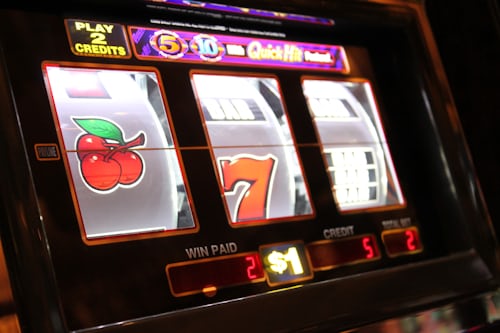
As societies evolved, so did the nature of gambling. The establishment of casinos in the 17th century in Italy marked a significant transformation. These venues allowed individuals to gather, socialize, and engage in games of chance, solidifying gambling’s role in entertainment and economy.
The Rise of Legalized Gambling
The 20th century saw a dramatic shift in the legalization of gambling in various parts of the world. Countries began recognizing the potential economic benefits of regulated gambling, leading to the establishment of state-run lotteries and licensed casinos. This period also saw the advent of sports betting as a popular pastime, allowing enthusiasts to wager on their favorite teams and events legally.
As more jurisdictions legalized gambling, regulations were implemented to ensure fairness and security for players. This shift created a safer environment for gambling, encouraging more individuals to participate and contributing significantly to local economies through tax revenue and job creation.
The Advent of Online Gambling
The late 20th and early 21st centuries marked the digital revolution, which had a profound impact on gambling. The introduction of the internet allowed for the emergence of online casinos, providing players with the convenience of accessing their favorite games from the comfort of their own homes. This new platform revolutionized the gambling landscape, making it accessible to a global audience.
Online gambling has grown exponentially, offering a wider array of games compared to traditional casinos. Additionally, advancements in technology have introduced innovations such as live dealer games, where players can interact with real dealers through video streaming, merging the best aspects of online and offline experiences.
The Social and Economic Impact of Gambling
Gambling’s influence extends beyond mere entertainment; it plays a significant role in social dynamics and economic structures. In many regions, gambling revenues contribute to public services, education, and infrastructure development. However, the social implications are complex, with issues such as addiction and financial distress affecting some individuals and communities.
Moreover, gambling has become a social activity, with many individuals gathering at casinos or online platforms to share the experience. Events like poker tournaments and slot competitions foster camaraderie among participants, illustrating gambling’s dual nature as both a personal and community-oriented activity.

Exploring the Future of Gambling
The landscape of gambling continues to evolve, especially with the increasing popularity of online platforms. As technology advances, trends such as virtual reality casinos and blockchain-based gambling are on the horizon, promising to enhance user experiences. Moreover, the integration of artificial intelligence can lead to personalized gaming experiences, catering to individual preferences and behaviors.
As the industry adapts to changing regulations and societal attitudes, it is crucial for platforms to prioritize responsible gambling practices. This ensures that while gambling remains an enjoyable pastime, it is also safe and sustainable for future generations.


Leave A Comment